When to Call a Bicycle Accident Lawyer in Denver After a Collision
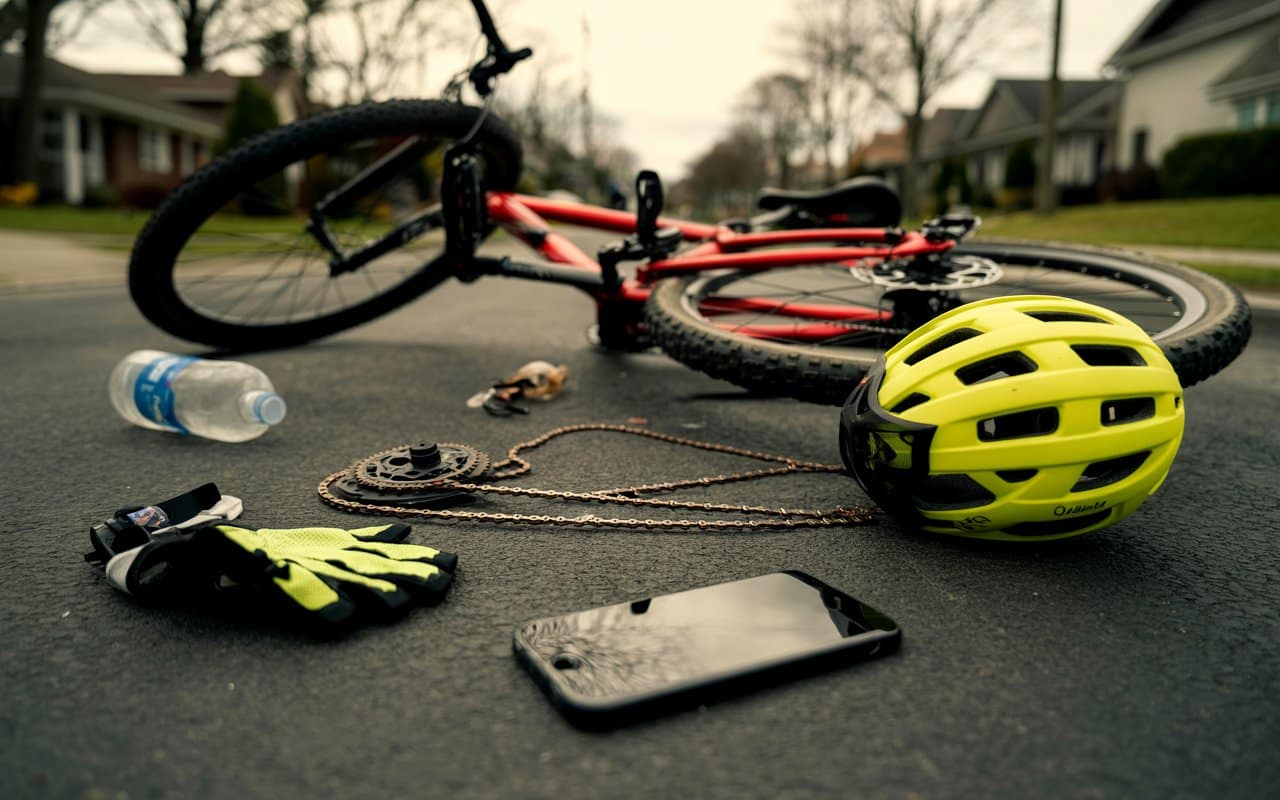

A bicycle crash can leave a rider dealing with far more than road rash and a bent wheel. In Denver, the aftermath often includes emergency care, missed work, arguments with insurance adjusters, and a hard question that most people are not prepared to answer on the side of the road, which is whether they need legal help right away or whether the situation can be handled on their own.
That decision matters. Some bicycle collisions are relatively straightforward. A driver admits fault, the cyclist gets checked out, the bike is repaired, and the insurer pays a fair amount without a prolonged dispute. Many cases do not unfold that neatly. Liability gets blurred. Symptoms appear two days later. The driver’s insurer starts calling before the rider has even replaced a helmet. A police report leaves out important details. A simple claim starts turning into a fight over medical bills, lost wages, and whether the cyclist somehow caused the crash.
Knowing when to call a Bicycle Accident Lawyer Denver riders can trust is less about reacting dramatically and more about recognizing risk early. The right time is usually sooner than people think, especially when injuries, disputed fault, or significant financial losses are involved.
The first hours after a Denver bicycle collision can shape the entire claim
People tend to think of legal help as something that happens much later, after weeks of frustration. In practice, the first day or two can affect the strength of a claim more than any later conversation. That is because evidence starts disappearing almost immediately.
Skid marks fade. Nearby businesses record over old security footage. Witnesses become harder to reach. Damaged gear gets thrown away. A rider who feels shaken but functional may decline medical attention, only to wake up the next morning with neck pain, dizziness, or a swollen knee that was masked by adrenaline.
Denver streets add their own complications. A crash in a bike lane downtown raises different issues than a collision at a suburban intersection or a right hook incident near parked traffic. Construction zones, light rail crossings, road debris, snow-packed shoulders, and poorly marked detours can all complicate a case. If there is any chance that fault will be contested, early documentation becomes essential.
Calling a lawyer right away does not mean filing a lawsuit the next morning. Often it means getting guidance on what to preserve, what to say to insurers, how to document injuries, and how to avoid small mistakes that weaken a valid claim.
Not every bike crash requires a lawyer, but many more do than riders expect
There is no rule that says every bicycle accident needs legal representation. If a rider suffers only minor scrapes, has no meaningful medical treatment, misses no work, and the driver’s insurer accepts fault and pays promptly for the property damage, hiring counsel may not be necessary.
The problem is that people often underestimate their losses in the first week. A fracture that seemed minor may require surgery. A concussion may interfere with concentration for a month. A rider who works a physical job may lose income longer than expected. Even if the emergency room bill looks manageable, follow-up care, imaging, physical therapy, and replacement gear can push the claim into serious territory.
A practical dividing line is this: when the consequences of the crash are no longer small, the stakes are no longer small either.
Clear signs it is time to call a lawyer
Some situations almost always justify at least a consultation. Waiting in these cases usually helps the insurance company more than the injured cyclist.
- You suffered more than minor injuries, especially a head injury, fracture, spinal pain, or injuries requiring ongoing treatment.
- The driver or insurer disputes fault, or suggests that you caused the crash by lane position, visibility, or alleged rule violations.
- A loved one was seriously injured or killed in the collision.
- The crash involved a commercial vehicle, government vehicle, rideshare driver, or any party beyond an ordinary personal auto policy.
- The insurer made a quick settlement offer before the full extent of your injuries and losses was known.
Each of those scenarios changes the case in a material way. A serious injury increases the value of the claim, but it also invites closer scrutiny from insurers. A disputed-liability case requires evidence development, not just patience. A crash involving a city vehicle or dangerous roadway condition may trigger notice rules and deadlines that are far shorter than people expect. A fast settlement offer can sound helpful, but it often arrives before the rider understands what future care will cost.
Denver bicycle cases often turn on fault, and fault is rarely as simple as drivers claim
One of the most common patterns after a bicycle collision is the driver saying some version of, “I just didn’t see them.” That statement may explain the crash, but it does not excuse it. Drivers have a duty to keep a proper lookout, yield when required, and share the road lawfully. Still, the legal fight rarely stops with that admission.
Insurers frequently look for ways to assign part of the blame to the cyclist. They may question whether the rider was visible enough, whether lights were used, whether the cyclist was moving too fast, whether the rider entered the intersection lawfully, or whether lane position was appropriate. In urban Denver crashes, especially around turning vehicles and intersections, these arguments show up often.
Colorado follows a modified comparative negligence system, which means a rider’s recovery can be reduced if they share fault, and barred altogether if they are found to be 50 percent or more responsible. That makes the fault analysis especially important. A small shift in the narrative can have a large financial effect.
This is where experienced legal help matters. A lawyer does not simply repeat the cyclist’s story. They gather the evidence that supports it, from body shop photos and bike damage patterns to traffic camera footage, black box data when available, witness statements, and medical records that match the mechanics of the impact.
Injuries that seem manageable can become expensive very quickly
Cyclists are vulnerable in a way motorists are not. Even at modest speeds, a rider may strike a vehicle, pavement, curb, or fixed object with enough force to cause injuries that do not fully show themselves on day one.
Concussions are a prime example. A rider may walk away from a crash, decline an ambulance, and assume they were lucky. Over the next 48 hours, headaches, light sensitivity, sleep disruption, irritability, or memory problems may emerge. Those symptoms can affect work, school, and daily functioning, even when imaging appears normal.
Orthopedic injuries follow a similar pattern. Wrist fractures, shoulder separations, knee ligament damage, and hip injuries can start as “soreness” and later require specialist care or physical therapy. Soft tissue injuries are often dismissed by adjusters as minor, yet anyone who has dealt with persistent neck or back pain knows how disruptive they can become.
A rider with any injury that involves ongoing treatment, specialist referral, imaging, rehabilitation, or work restrictions should strongly consider calling a Bicycle Accident Lawyer Denver residents rely on for injury claims. Once treatment extends beyond a single visit, the claim usually becomes more complex and more valuable, which means the insurer has a stronger incentive to limit payment.
The bike itself may tell part of the story
In serious bicycle cases, the bike is not just damaged property. It is evidence.
The point of impact on the frame, fork, wheel, crank, or handlebars can help reconstruct what happened. Damage to the side of a bicycle may support a right hook or sideswipe scenario. Front-end damage may suggest a different angle of collision. A cracked helmet, torn clothing, broken lights, or scraped pedals can reinforce the rider’s account.
Too many people rush to repair the bike or replace gear before photographing and documenting everything. That is understandable. They need transportation, and looking at a wrecked bike is upsetting. But if liability is disputed, preserving the condition of the bicycle can matter a great deal.
A lawyer will often advise clients to take detailed photos from multiple angles, keep receipts, preserve damaged gear, and avoid disposing of the bike until it has been thoroughly documented. In high-value cases, formal inspections may be appropriate.
Insurance companies move quickly for a reason
The other side’s insurer may call within a day. The adjuster may sound calm, sympathetic, and practical. Sometimes they genuinely are professional and courteous. That does not change their role. Their job is to resolve the claim for as little as reasonably possible.
A recorded statement is one of the most common early pressure points. Riders often agree because they think refusing will make them look evasive. In reality, early statements can lock injured people into incomplete descriptions before they know their diagnosis, before they review the scene carefully, and before they appreciate how a casual phrase can be used later.
Someone says, “I’m feeling okay,” because they are trying to be polite. A week later, the insurer points to that comment as proof the injuries were minor. Someone estimates their speed or says the collision “happened so fast” and later learns the insurer is using that statement to imply inattention. These are not rare problems.
A lawyer can take over communications, control the flow of information, and make sure the claim develops around evidence rather than guesswork.
Property damage cases are one thing, injury cases are another
A lot of confusion comes from the fact that people have handled fender benders before. They assume a bicycle claim works the same way. It usually does not.
When the issue is only a damaged bike and gear, the dispute may center on repair versus replacement value. That can still be frustrating, especially with high-end bikes, carbon frames, power meters, custom wheels, and electronic shifting systems. But the claim is relatively contained.
Once bodily injury is part of the case, the timeline, valuation, and proof requirements become much more demanding. The claim may include medical bills, future treatment, wage loss, reduced earning capacity, pain, physical impairment, and out-of-pocket costs. It may also require coordination with health insurance, medical liens, or uninsured and underinsured motorist coverage.
That is usually the point where self-handling becomes risky.
Crashes involving government entities or dangerous road conditions need prompt attention
Not every bicycle collision is solely about a careless driver. Sometimes road design, poor maintenance, missing signage, potholes, construction hazards, or debris play a significant role. In those cases, a public entity or contractor may be part of the legal picture.
This area is unforgiving on deadlines and procedure. Claims involving city, county, or state actors often require formal notice within a much shorter period than the standard statute of limitations for ordinary injury cases. Riders who wait too long because they are focused on recovery can lose leverage or even lose the claim entirely.
The same urgency applies when a crash involves a government vehicle, such as a municipal truck or other public fleet vehicle. If there is any possibility that roadway condition or a public agency contributed to the collision, legal advice should be sought early.
What a lawyer actually does in a bicycle accident case
Some people hesitate to call because they picture aggressive courtroom tactics from day one. Most bicycle injury claims do not begin that way. Good legal representation is often quieter and more methodical than people expect.
A lawyer typically helps with several practical tasks:
- preserving evidence and identifying sources of footage or witness testimony before they disappear
- managing insurance communications and shielding the rider from premature statements or low offers
- organizing medical records, bills, wage loss proof, and other damage evidence
- evaluating all available insurance coverage, including the at-fault driver’s policy and the cyclist’s own uninsured or underinsured motorist coverage
- negotiating from a position supported by documentation, and preparing for litigation if the insurer refuses to deal fairly
That work is especially useful in Denver bicycle cases because the injuries and liability issues often do not fit neatly into a standard car-versus-car framework. The rider may have significant physical losses and substantial property damage, but relatively little understanding of how insurers value either one.
Timing matters more than people think
There is a persistent idea that you only call a lawyer after https://travisqifo182.hexaforgey.com/posts/injured-in-a-bike-crash-contact-a-bicycle-accident-lawyer-in-denver you have “tried everything else.” That can backfire. By then, key evidence may be gone, deadlines may be closer, and the rider may already have made avoidable statements or accepted partial payments that complicate the claim.
Early representation does not force the case into litigation. In many instances, it helps keep the claim organized and credible from the beginning. The insurer knows the rider has support, documentation will be complete, and the claim cannot be closed cheaply just because the injured person is overwhelmed.
That said, not every case requires same-day legal intervention. If you suffered only scrapes, no one disputes fault, and the losses are truly limited, a consultation within a reasonable time may be enough. The larger point is that riders should not wait simply because they assume legal help is only for catastrophic cases.
A common Denver scenario: the right hook and the blame game
One crash pattern comes up repeatedly in city riding. A cyclist is moving straight through or alongside traffic. A driver overtakes or pulls ahead and turns right across the rider’s path. The cyclist slams into the side of the vehicle or is forced down trying to avoid impact.
Drivers in these cases often insist the bike “came out of nowhere.” From the cyclist’s perspective, the turn was sudden and left no room to react. These cases are a good example of why legal evaluation matters. Liability may depend on lane markings, signal timing, vehicle position, visibility, witness accounts, and whether the rider had a lawful place on the road.
To an insurer, it may look like an easy opportunity to split fault. To someone experienced with bicycle cases, it may look like a preventable turn conflict with strong evidence in the rider’s favor. The difference often comes down to investigation and framing.
Settlement pressure is strongest when people are financially strained
Injury claims often intersect with real life in the hardest way. The rider misses work. Medical bills start arriving. The bike is unusable. Transportation becomes difficult. Rent and routine expenses do not pause because someone was hit.
That is exactly when a low settlement can seem attractive. A check for a few thousand dollars may feel like relief, especially if the insurer presents it as quick and reasonable. But once a release is signed, the case is usually over. If symptoms worsen or treatment continues, there is rarely a second chance.
This is one of the clearest moments to speak with counsel. A short delay to understand the value of the claim can prevent a long-term loss.
How to decide, practically
If you are unsure whether your situation justifies a lawyer, ask yourself a few direct questions. Did you need more than basic first aid? Are you still in pain a week later? Did you miss work, cancel commitments, or need follow-up care? Is anyone questioning how the crash happened? Was your bike or gear significantly damaged? Did the insurer ask for a recorded statement or quickly offer money?
If the answer to any of those is yes, a consultation is sensible. You do not need to know every legal issue before making the call. In fact, that is the point of the consultation.
A Bicycle Accident Lawyer Denver cyclists choose for serious collisions should be able to assess fault issues, explain the claims process clearly, and give a realistic sense of whether the case can be handled informally or needs more active representation. The best guidance is usually direct and practical, not theatrical.
The real threshold is not drama, it is exposure
People often wait for a case to feel dramatic enough to justify legal help. That is the wrong threshold. The right question is how much exposure you have, physically, financially, and legally.
If your injuries may outlast the first week, if your losses are more than incidental, if the story of the crash is already being contested, or if the path to recovery is uncertain, that is enough. You do not need a catastrophic injury to benefit from legal advice. You need a situation where a mistake, delay, or undervalued claim could materially affect your recovery.
After a bicycle collision in Denver, the safest approach is often the simplest one. Get medical attention, preserve what you can, be cautious with insurers, and get an informed legal opinion before assuming the matter is minor. The cost of making that call is usually small. The cost of waiting too long can be much larger.